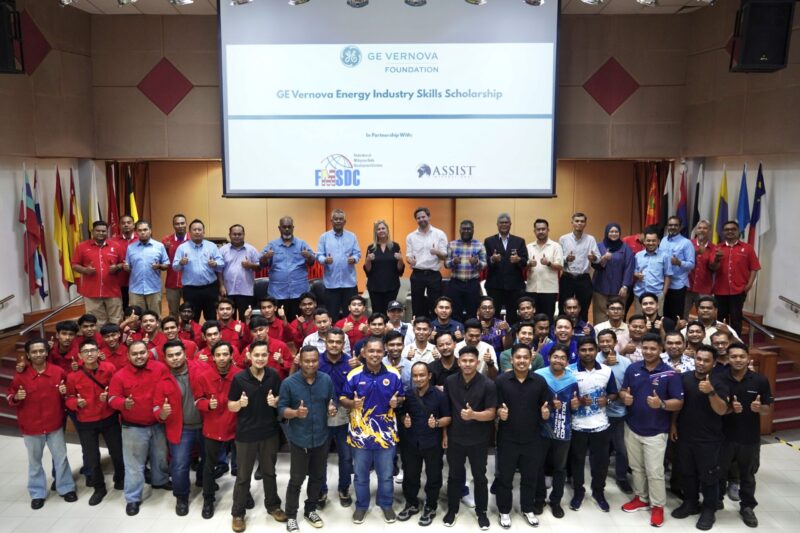
As global industries accelerate their transition towards advanced manufacturing, digitalisation, and artificial intelligence (AI), access to skilled talent has become a key determinant of investment decisions. Beyond infrastructure and incentives, investors increasingly seek locations with sustainable pipeline of industry-ready talent capable of supporting technological transformation and long-term business growth.
Malaysia’s commitment to strengthening Technical and Vocational Education and Training (TVET) has made TVET a critical component of the country’s industrial competitiveness. Institutions such as the Kedah Industrial Skills and Management Development Centre (KISMEC) exemplify this approach by developing highly skilled, future-ready talent aligned with evolving industry needs.
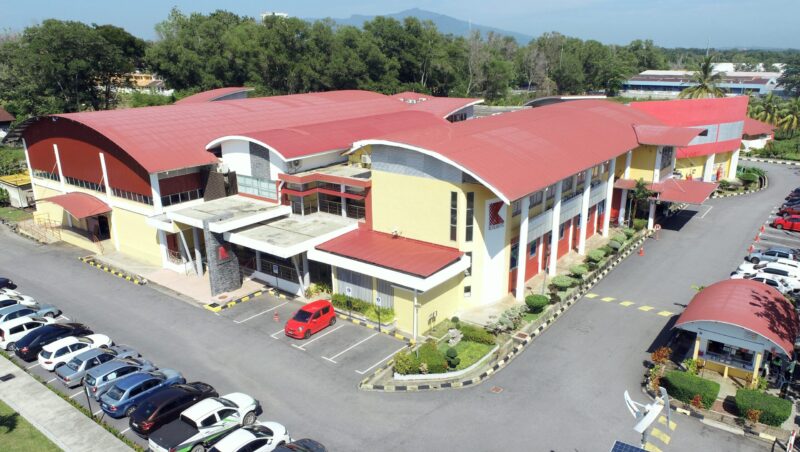
Established in 1993, KISMEC is a leading technical training institution in Malaysia dedicated to developing a highly skilled and industry-ready workforce. For over three decades, KISMEC has played an important role in strengthening Malaysia’s talent ecosystem through industry-driven TVET programmes.
Today, KISMEC operates from three strategic locations: KISMEC Sungai Petani, KISMEC Kulim, and KISMEC Oil & Gas Centre in Sungai Petani. Through these centres, KISMEC continues to support workforce development and provide technical training aligned with current industry requirements.
In line with Malaysia’s New Industrial Master Plan (NIMP) 2030, KISMEC continuously enhances its training programmes to meet the evolving needs of modern industries, particularly in electrical and electronics (E&E), manufacturing, engineering, automation, AI, and Industry 4.0 (IR4.0).
This industry-driven approach ensures programmes remain practical and responsive to technological advances and workforce demands. It also supports Malaysia’s aspiration to strengthen its position as a hub for high-value manufacturing and technology-intensive investments, where institutions like KISMEC play an important role in ensuring access to a skilled workforce for increasingly sophisticated operations.
KISMEC is recognised for its strong focus on E&E and advanced manufacturing technologies. In 2018, it became the first certified Industry 4.0 training provider in Malaysia, recognised by Bosch Rexroth, strengthening its capabilities in smart manufacturing and industrial automation.
It is also the sole training partner in Malaysia for Mitsubishi Electric Factory Automation Products and Solutions Training, further reinforcing its role in advanced industrial technology development.
These globally recognised partnerships strengthen Malaysia’s ability to develop talent aligned with international industrial standards, giving investors confidence in the country’s readiness for Industry 4.0 adoption.
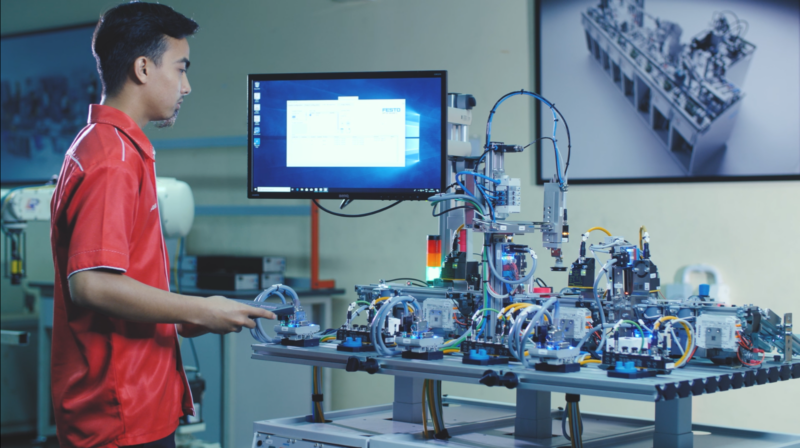
KISMEC’s training approach combines theoretical learning with hands-on industrial application. Trainees are exposed to practical learning environments that mirror real workplace settings and current industrial practices. The institution offers specialised training programmes in areas such as AI, mechatronics, electrical and electronics, CNC machining, robotics, automation systems, and digital manufacturing technologies.
Beyond technical competencies, KISMEC places strong emphasis on employability skills, communication, teamwork, workplace ethics, and safety practices, ensuring trainees are well-rounded and industry-ready.
Collaboration remains a key pillar of KISMEC’s ecosystem. As an industry-member-based organisation, KISMEC has secured the support of more than 50-member companies, including small and medium enterprises (SMEs), large local companies, and multinational corporations (MNCs). These partnerships support the co-development of training modules, industrial attachments, and upskilling initiatives aligned closely with industry requirements.
KISMEC also collaborates with government agencies, educational institutions, and international organisations, strengthening workforce development at both national and regional levels. In 2021, KISMEC collaborated with the British High Commission and the International Labour Organisation (ILO) under the Skills for Prosperity Programme in Kedah, aimed at strengthening technical and vocational skills development while enhancing industry readiness among local talent.
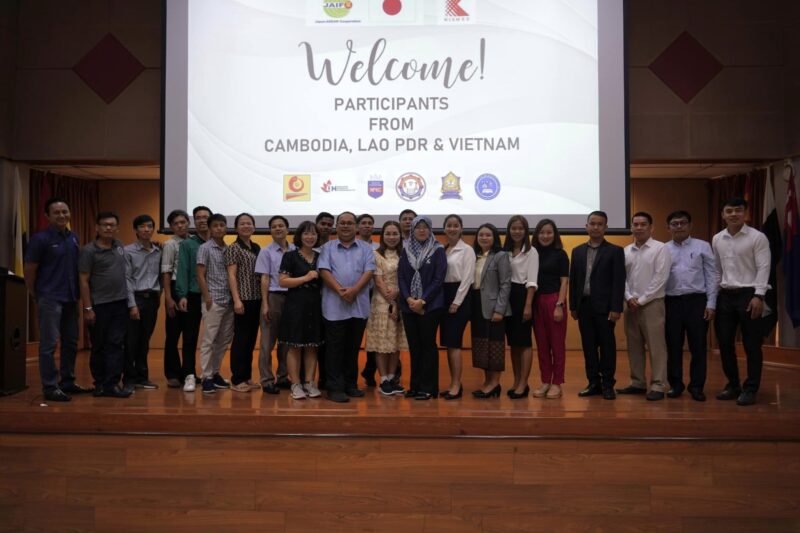
Another international milestone includes collaboration with the ASEAN Secretariat via initiatives funded by the Japan-ASEAN Integration Fund (JAIF). Through this partnership, KISMEC successfully implemented a Train-the-Trainer programme involving participants from Cambodia, Lao PDR, Myanmar, and Vietnam (CLMV countries), contributing to regional knowledge sharing and capacity building in the TVET sector.
Building on these collaborations, KISMEC is seeking to expand its regional initiatives through a proposed programme under the Canada Fund for Local Initiatives (CFLI) through the ASEAN Secretariat, which is expected to expand participation to include Timor-Leste.
As of 2025, KISMEC has trained approximately 30,000 industry workers, 6,800 school leavers, and 6,600 graduates, contributing significantly to Malaysia’s workforce development and industrial talent pipeline.
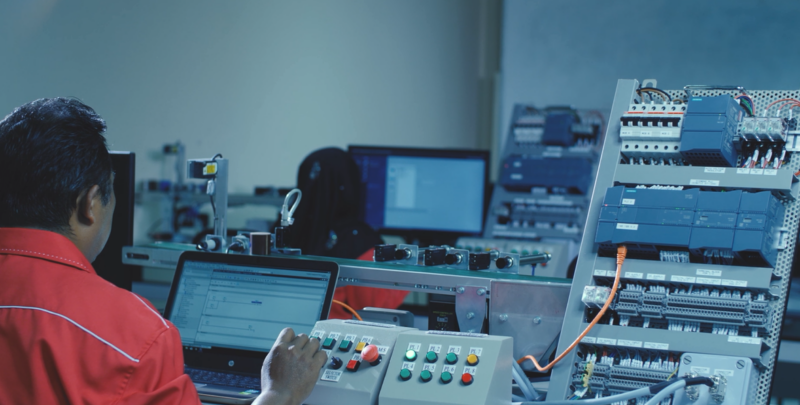
Talent development has become increasingly important in investment decisions, particularly in high-value and technology-driven industries.
Through its industry-led model and close collaboration with employers, KISMEC supports Malaysia’s efforts to strengthen talent readiness and enhance investment attractiveness. Continuous investment in industry-relevant skills strengthens investor confidence in Malaysia’s ability to provide a future-ready workforce.
This reflects Malaysia’s broader approach, where industry, training institutions, and ecosystem stakeholders work together to ensure investment growth is supported by a sustainable talent pipeline.
As industries continue to evolve and investment requirements become increasingly sophisticated, KISMEC remains committed to developing future-ready talent through industry-focused training, strategic collaboration and continuous innovation. In doing so, it continues to strengthen Malaysia’s talent ecosystem and reinforce the country’s competitiveness as a destination for high-value investments.